Turning your love for fermented vegetables into a small but mighty brand? Here’s how Canadian oak barrels help you move from “just a hobby” to a memorable, trusted micro-business. Perfect for cottage food businesses, farmers’ markets, local delivery, Etsy-style brands and Instagram shops.
From Hobby to Small Brand
Maybe it started with one jar of sauerkraut that everyone in your family finished in two days. Then friends began asking, “Can you make some for us too?” Then came your first “I’d pay for this”, your first farmers’ market, maybe even your first repeat customer on social media.
At some point every home fermenter who starts selling hits the same question: how do I keep the soul of small-batch craft and still look and work like a real brand?
This is exactly where handmade oak pickle barrels step in. They don’t just hold your brine — they help you build identity, consistency and trust.
Why Oak Barrels Make Sense for Home-Based Fermentation Businesses
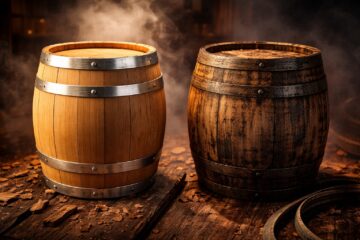
Oak has been used for food and drink for centuries, and small-batch producers still choose it for three very practical reasons: flavor, stability and story.
Flavor customers can actually taste
During fermentation, your brine gently interacts with the oak. Natural tannins and wood compounds support lactic acid bacteria and help create a deeper, more layered flavor profile. In simple terms: the same recipe often tastes more “complete” and memorable from oak than from plastic buckets.
Texture that stands out on a crowded shelf
Properly prepared oak barrels help keep vegetables crisp yet juicy. The light micro-oxygenation in wood and the stable brine environment support a crunch that feels artisan and alive — very different from factory pickles that have been sitting in mass-produced containers for months.
Your brand looks and feels “real”
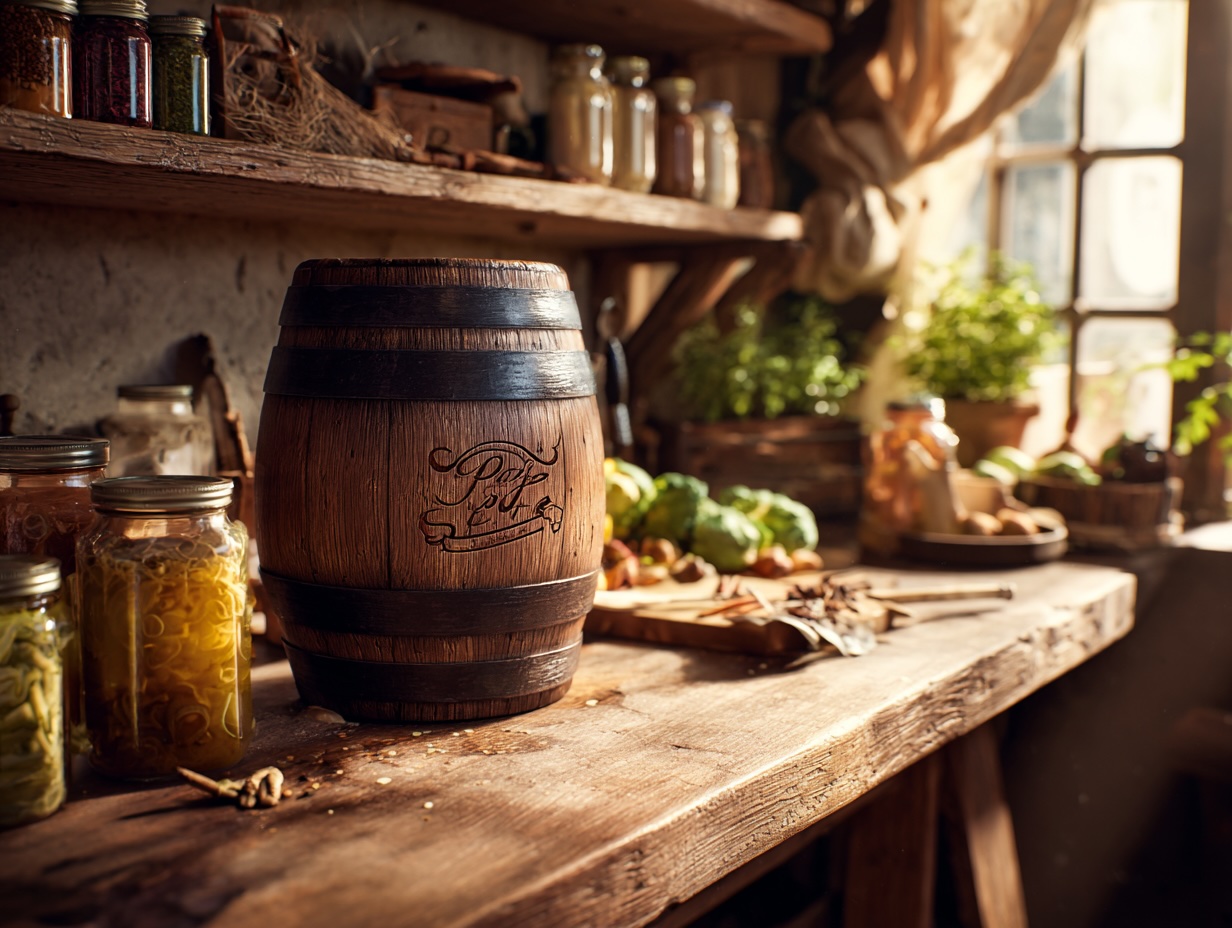
A photo of a plastic food-grade bucket on your Instagram is… fine. A photo of a small Canadian oak pickle barrel with your logo engraved on the front, surrounded by jars with handwritten labels? That instantly signals: this is a craft brand, not just another reseller.
Customers buy with their eyes first. Oak barrels turn your kitchen or micro-production corner into a visual story people want to share and support.
Why Canadian Oak Is a Smart Choice for Micro-Producers
When you run a home-based or cottage food business, you don’t have a giant warehouse to hide mistakes. Every purchase needs to work hard: less risk, more value, more story. Canadian-made barrels help with that.
Reliable quality, not guesswork
With BarrelsWood, each barrel is handcrafted from carefully selected oak, with food-grade metal hoops and a construction style designed specifically for liquids and long-term fermentation — not just for decoration.
No wax, no glue on the inside
Our barrels are built as traditional food-grade vessels: no internal wax, no paint and no glue that could interfere with your fermentation or flavor. For home-based food entrepreneurs who proudly talk about “no additives” and “clean label”, this detail really matters.
Sizes that fit real home kitchens
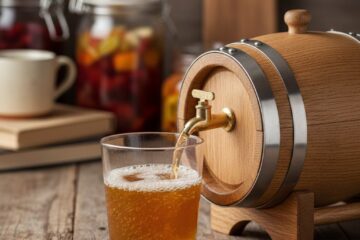
You don’t need a 500L barrel to look serious. Most home entrepreneurs start with small volumes like 3L, 5L, 10L or 20L — enough to:
- run seasonal or limited-edition flavors,
- separate spicy / non-spicy or organic lines,
- keep one “house barrel” for your signature product.
You can explore all available sizes and styles in the general oak range on the
Buy Oak Barrels by Flavor page.
Preparing Your Oak Barrel: A Simple, Safe Routine
You don’t need to be a cooper or a chemist to get an oak barrel ready. The key steps are simple and based on traditional, time-tested practice.
Step 1 – Swelling the barrel
Fill the barrel with cold water and leave it for 24–48 hours. Oak staves absorb water, swell and close any small gaps. Minor leaks often disappear naturally during this stage.
Step 2 – Hot rinse
Empty the cold water, then refill with hot water (around 70–80°C). This helps rinse out wood dust, activate tannins and pre-sanitize the inner surface without chemicals.
Step 3 – Final water hold
Top up with fresh water again and leave for another 12–24 hours. At this point, the wood is fully swollen and the barrel is ready to meet your brine.
Step 4 – Start fermenting
Empty the water, fill with brine and vegetables — from sauerkraut to kimchi or carrot sticks. From now on, it works much like glass or ceramic, with the added benefits of oak.
For more technical tips and ideas, check out the article
“The Secrets of Authentic Pickling: 5 Wooden Barrels that Will Transform Your Fermentation Game” in A Wood Blog.
Branding Your Micro-Batch Ferments with Oak
One of the most powerful things you can do as a home-based brand is to make your production space look like who you are: warm, intentional, craft-first. Oak barrels do exactly that.
Your “hero barrel” as a brand anchor
Many entrepreneurs choose one main barrel that becomes the visual heart of their brand — the “house barrel” for a signature product. It shows up in photos, at markets and in stories you tell your followers.
Custom engraving for a finished look
With the engraving service from BarrelsWood, you can add your logo, farm or brand name directly to the barrel. Suddenly, your production corner becomes a mini tasting room — even if it’s just a corner of your home kitchen.
From “selling jars” to “inviting people into your craft”
When customers see real oak barrels behind your jars, they don’t just think “nice pickles”. They see craft, time, care and a story worth supporting. That’s the emotional step that turns one-time buyers into fans who come back and bring friends.
FAQ: Oak Pickle Barrels for Home-Based Entrepreneurs
Can I start with just one small barrel?
Yes. Many home fermenters start with a single 5–10L oak barrel as a “hero barrel” for their main product. You can still use jars and other containers alongside it while you grow.
Is oak safe for food fermentation?
Yes — properly made food-grade oak barrels have been used for centuries for wine, cider, pickles and more. BarrelsWood barrels are built without internal wax, paint or glue, making them suitable for brine fermentation when prepared correctly.
Will my pickles taste very different from what I make now?
Your core recipe stays the same. Oak usually adds depth and a more rounded flavor, plus a satisfying crunch. For many customers, it turns “very good” into “wow, what is this?”.
How do I explain oak barrels to my customers?
Keep it simple: “We ferment in traditional Canadian oak barrels for deeper flavor, better texture and a truly small-batch process.” You can show photos or short videos of your barrels on social media or at markets.
How long does an oak barrel last in a home setup?
With normal care — proper preparation, gentle cleaning, avoiding long periods of complete dryness — a quality oak barrel can serve 8–15 years, even in a small home-based operation.
Which size should I pick first?
If you’re selling occasionally, 5–10L is a great start. If you have regular orders or market days, 10–20L gives more flexibility without taking over your entire kitchen.
Ready to Let Your Jars Have an Oak-Aged Backstory?
If you want to upgrade from plastic containers to authentic oak barrels, explore the dedicated Pickle Barrels collection, or browse the full oak barrel range on the Buy Oak Barrels by Flavor page.
Want to put your brand name directly on your barrel? Take a look at the engraving service.
Have questions about sizing, recipes or workflow for your specific setup? Reach out via the
Contact Us page — the BarrelsWood team can help you choose the right barrel and get your first batch started with confidence.