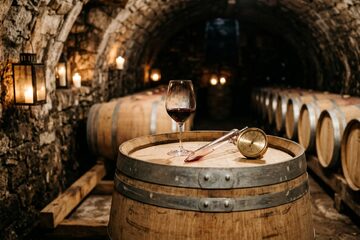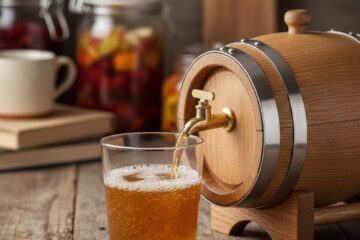

In the world of fine beverages, the art of barrel aging is an age-old tradition that transforms ordinary liquids into extraordinary elixirs. Wooden barrels, often considered the silent architects of flavor, play a crucial role in shaping the character and complexity of wines, whiskeys, rums, and other spirits. In this deep dive, we embark on a journey into the intricate realm of barrel aging techniques, focusing on key elements like char levels, to unravel the mysteries behind the alchemy that occurs within wooden barrels.
The Canvas of Flavor: Wooden Barrels as Artistic Instruments
Wooden barrels, often crafted from oak, serve as vessels that breathe life into beverages. The choice of wood and the techniques applied during barrel construction contribute significantly to the final flavor profile. Oak, with its unique characteristics, imparts a myriad of flavors, textures, and aromas to the liquid it cradles. To truly appreciate this process, let’s delve into the specific barrel aging techniques that elevate beverages to new heights.
The Influence of Char Levels: Crafting Complexity through Fire
Understanding the Charring Process
One of the pivotal techniques in barrel aging is charring, a process that involves exposing the interior of the wooden barrels to an open flame. This controlled burning not only imparts distinct flavors but also alters the structure of the wood, influencing the interaction between the beverage and the barrel.
Light, Medium, and Heavy Char Levels
The degree of charring is categorized into three main levels: light, medium, and heavy. Each level brings its own set of characteristics to the aging process, contributing to the overall complexity and depth of the final product.
- Light Char: Barrels with a light char impart subtle flavors and aromas to the beverage. The porous wood allows for a more gradual exchange of compounds, resulting in a delicate balance of oak influence.
- Medium Char: This level of charring introduces more pronounced notes of caramel, vanilla, and spice. The increased penetration of the char into the wood adds depth and complexity, enhancing the overall flavor profile.
- Heavy Char: Barrels subjected to heavy charring undergo a transformative process where the wood sugars caramelize deeply. This intense charring imparts bold flavors of smokiness, toffee, and chocolate, creating robust and intricate spirits.
The Impact on Different Beverages
The choice of char level is not universal; it varies based on the type of beverage being aged. Whiskey enthusiasts may prefer barrels with a medium to heavy char to extract rich, smoky notes, while winemakers might opt for a lighter char to preserve the delicate nuances of the grape.
Beyond Charring: Additional Techniques in Barrel Aging
Toasting: Enhancing Aromatics and Complexity
In addition to charring, toasting is another crucial technique employed in barrel aging. Toasting involves exposing the barrel to a slow, controlled flame, enhancing the aromatic compounds present in the wood. This process contributes to the overall complexity of the beverage, providing layers of flavor beyond what charring alone can achieve.
Finishing Barrels: Elevating with Extra Maturation
To further amplify the flavor spectrum, some beverages undergo finishing, a process where they are transferred to a different type of barrel for additional maturation. This could include transitioning from a bourbon barrel to a sherry cask, and introducing new elements to the flavor profile.
Choosing the Right Barrel for the Job: A Balancing Act
The selection of the right wooden barrel, with its specific charring and toasting levels, is an art and a science. Distillers, winemakers, and brewers carefully consider the desired outcome, experimenting with different barrels to achieve the perfect balance of flavors, aromas, and textures.
Innovation in Barrel Aging Techniques: Pushing Boundaries
As the craft beverage industry continues to evolve, so does the exploration of innovative barrel aging techniques. From using non-traditional woods like chestnut or acacia to experimenting with unique char and toasting combinations, artisans are pushing the boundaries of what’s possible within the confines of a wooden barrel.
The Tasting Experience: From Barrel to Glass
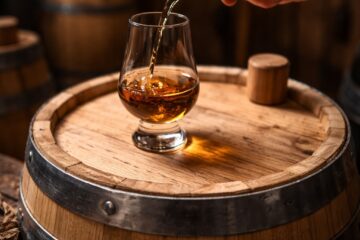
The true magic of barrel aging unfolds when the meticulously crafted liquid is finally poured into a glass. The time spent interacting with the wood imparts not just flavor but a story, a narrative of the journey from raw ingredients to a refined, aged masterpiece.
Celebrating the Artistry of Wooden Barrels
In the world of barrel aging, buying wooden barrels stands as both vessels and artists, imparting their character to the beverages they cradle. The exploration of charring levels, toasting techniques, and innovative approaches to barrel aging allows us to appreciate the complexity and depth that wooden barrels bring to our favorite drinks. As we raise our glasses, let’s toast to the artistry within each wooden barrel, a testament to the time-honored traditions and the ever-evolving innovations that shape the beverages we cherish.
Recommended Handcrafted Canadian Oak Barrels
Every cask at BarrelsWood is coopered in Canada from slow-growth, air-seasoned Canadian oak using traditional fire-bending and tongue-and-groove joinery with zero chemical glues or artificial inner coatings. Whether you are maturing whiskey, bourbon, rum, or moonshine, explore our 3L Countertop Oak Barrel, 5L Special Edition Charred Cask, 10L Cellar Barrel, and 20L Distillery Pilot Barrel, or read our full Oak Barrel Care & Curing FAQ.
Frequently Asked Questions
How do you prepare and cure a new oak barrel so it never leaks?
Insert the wooden spigot and fill the barrel completely with cold tap water for 48 to 96 hours before adding any spirit or wine. The dry Canadian oak staves absorb water and expand against the steel hoops to form a permanent hydraulic seal.
How fast do small oak barrels age whiskey, bourbon, and moonshine?
Because a 2L to 5L oak barrel offers up to 8x more charred wood surface contact per liter than a commercial 200L barrel, spirits extract deep amber color, vanillins, and toasted caramel notes in 4 to 10 weeks.
How should an oak barrel be stored when empty?
Store barrels in a cool, shaded cellar (55%–70% relative humidity) away from radiators or direct sunlight. Keep spirit barrels filled with a small splash of high-proof neutral spirit or water changed weekly so the staves never dry out.
Related Spirit Aging & Cooperage Guides: Explore our mastercooper articles on Preventing Leaks & Curing New Oak Barrels, How to Get Smooth Flavor from a New Charred Oak Barrel, Complete Oak Barrel Toasting & Char Guide, and New vs. Used Oak Barrels for Aging Whiskey. Browse our handcrafted 3L Canadian Oak Aging Barrel ($130), 5L Special Edition Charred Cask ($150), 10L Canadian Oak Barrel ($190), and 20L Small-Batch Spirit Barrel ($215) in our Whiskey & Bourbon Oak Barrels Catalog.
Recommended Canadian Oak Barrels & Maturation Specifications
All BarrelsWood casks ship insured from our Ontario cooperage across the United States and Canada with a 30-day structural seal warranty:
| Barrel Model & Capacity | Primary Application | Typical Aging / Fermentation Time | Price (USD) |
|---|---|---|---|
| 3L (0.79 gal) Canadian Oak Barrel | Bourbon, Whiskey, Moonshine, Cocktails | 4 to 8 Weeks | $130.00 |
| 5L (1.32 gal) Special Edition Cask | Whiskey, Rum, Brandy, Fruit Wine | 6 to 12 Weeks | $150.00 |
| 10L (2.64 gal) Canadian Oak Barrel | Home Winemaking, Bourbon & Cellar Aging | 3 to 6 Months | $190.00 |
| 20L (5.28 gal) Canadian Oak Barrel | 5-Gallon Carboy Wine Batches & Craft Spirits | 5 to 9 Months | $215.00 |
| 5L Open-Top Oak Pickle Barrel | Lacto-Fermented Kosher Dill Pickles & Sauerkraut | 5 to 14 Days (Brine) | $115.00 |
| 5L Uncharred Oak Vinegar Barrel | Artisanal Red/White Wine & Cider Vinegar | 6 to 10 Weeks | $160.00 |
Browse Cooperage Categories: Oak & Wooden Barrels for Sale • Whiskey Barrels for Sale • Wine Barrels for Sale • Large Oak Barrels (15L–225L) • Wooden Pickle Barrels • Custom Engraved Barrel Gift Guide