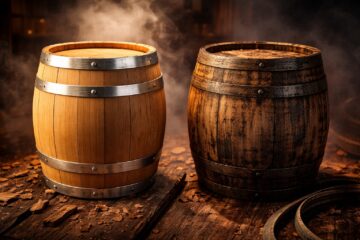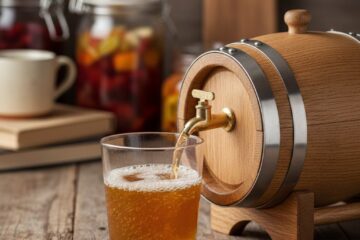
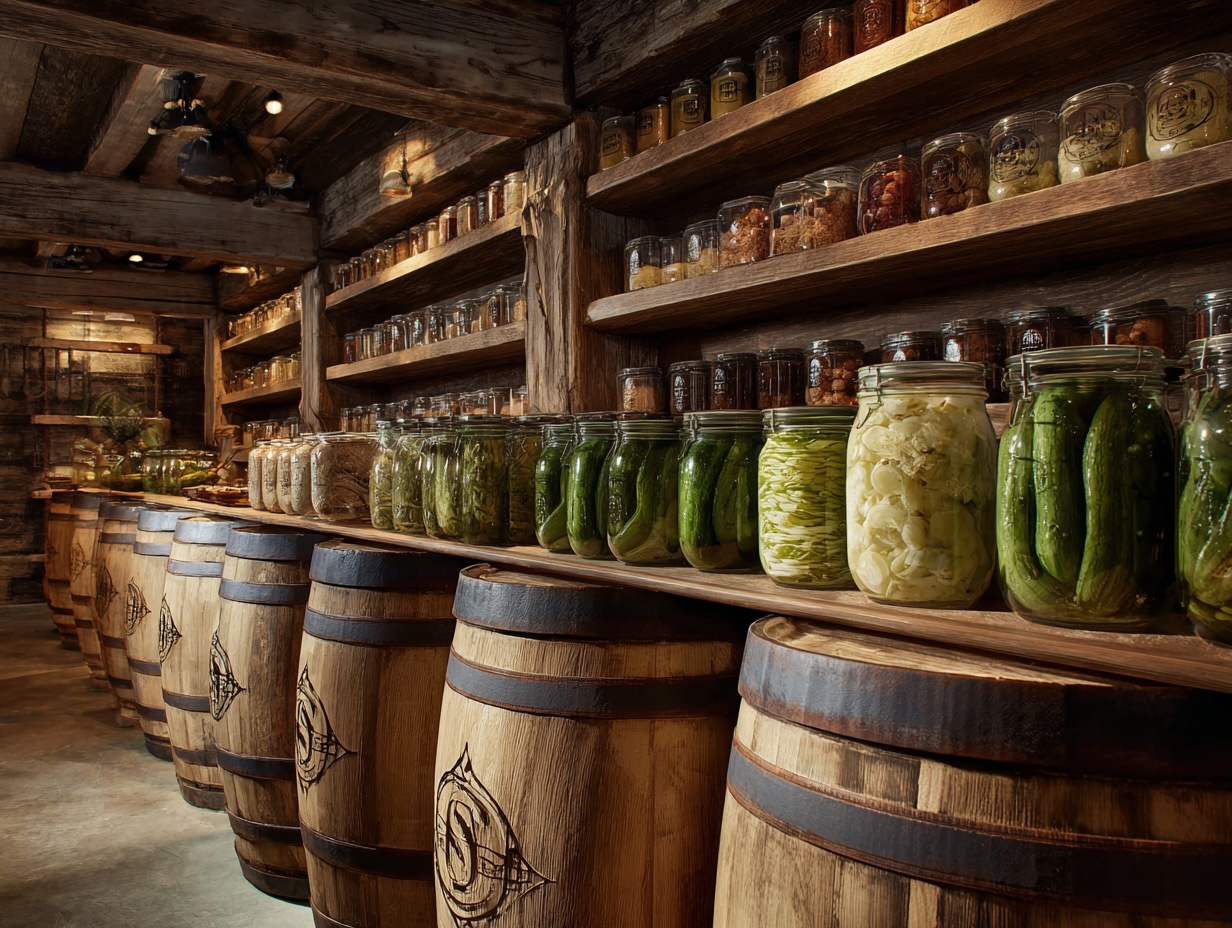
Handcrafted Canadian oak barrels for authentic, naturally fermented vegetables.
Farm shops today see a growing demand for authentic, naturally fermented foods. Customers want clean labels, less plastic, and more handcrafted products — and that’s exactly where oak pickle barrels come back into the picture.
Instead of anonymous plastic tanks, more and more farm shops are turning to
handmade oak pickle barrels
to ferment and present sauerkraut, cucumbers, kimchi, carrots, garlic and other vegetables.
This guide explains why oak works so well for fermentation, how it helps with consistency and shelf appeal, and how
BarrelsWood
solves very real supply, quality and branding challenges for farm shops.
Why Oak Works So Well for Fermentation
Oak has been used for food and drink for centuries, and there are solid technical reasons for that. These points are based on traditional cooperage practice and modern food safety principles.
Natural antimicrobial properties
Oak contains tannins that have mild antimicrobial effects. They support the growth of lactic acid bacteria (Lactobacillus) that drive fermentation, while helping suppress many unwanted microorganisms. For farm shops, that means more predictable results and fewer failed batches.
Wood “breathes” and stabilizes fermentation
Unlike plastic or glass, oak is a natural, slightly porous material. The barrel walls allow micro-oxygenation — very small amounts of oxygen exchange that help stabilize pH and keep fermentation active but controlled. This improves flavor development and reduces the risk of “explosive” over-fermentation.
No contact with synthetic coatings
Properly made food-grade barrels don’t use wax, paint or glue on the inside. At BarrelsWood, our barrels are made from carefully selected oak staves and food-safe metal hoops without internal coatings that could affect flavor. For many farm shops working with clean label products, this is a core selling point.
No plastic odors or off-flavors
Plastic can absorb and release odors across multiple batches. Oak, when prepared correctly, does not transmit plastic-like off-notes. Instead, it contributes subtle flavor complexity and a natural, artisan perception that customers notice immediately.
Why Farm Shops Prefer Canadian Oak Barrels
For small producers, it’s not just about the barrel material — it’s about reliable supply and realistic economics. That’s where Canadian-made barrels have a major advantage.
More predictable lead times
Many traditional suppliers ship from overseas. That can mean waiting weeks or months if something gets stuck in ports or logistics hubs. With BarrelsWood, barrels are shipped from Canada across North America, helping farm shops avoid last-minute shortages during harvest or peak sales seasons.
Lower transport risk and cost
Heavy goods like oak barrels are expensive to move around the world. Local or regional shipping usually means:
- Lower freight cost per barrel
- Less handling, less risk of damage
- Reduced chance of barrels drying out or warping in long transit
Designed for fermentation, not just storage
The
Pickle Barrels collection
at BarrelsWood is specifically built for brine and vegetable fermentation: thick, food-grade oak staves, tight joints, stainless or coated hoops and lids designed for daily use in real production environments.
How Oak Barrels Improve Product Quality
When farm shops switch from plastic containers to oak barrels, they usually notice three things very quickly: flavor, texture and presentation.
Deeper, more complex flavor
During fermentation, brine interacts with oak tannins and other wood compounds. This tends to:
- Enhance the savory, umami notes of pickles
- Give cabbage and mixed vegetables a fuller, “rounder” flavor
- Add a subtle, natural complexity that customers remember
Better texture and crunch
Properly prepared oak barrels help keep vegetables crisp yet juicy. The combination of stable brine, micro-oxygenation and natural wood compounds supports a texture that stands out next to mass-produced factory pickles.
Premium look at the point of sale
Many farm shops keep the barrel itself in the customer area — either as a working fermentation vessel or as a refill container. A row of rustic oak barrels immediately communicates:
- Handcrafted quality
- Traditional methods
- Trust and transparency (you literally see where the product comes from)
If you want to go further, our
engraving service
can add your farm name or logo to the barrel, turning it into a permanent branding asset in the shop.
Operational Benefits for Farm Shops
Beyond flavor and aesthetics, oak barrels solve very practical, day-to-day problems for small producers.
1. Small batches, high flexibility
Volumes from 3L to 50L are ideal for farm shops. You can:
- Test new recipes in small batches
- Run seasonal or limited-edition flavors
- Separate organic, spicy or allergen-sensitive products
2. Less waste and fewer failed batches
Consistent, food-grade oak and correct barrel preparation help reduce:
- Mold and spoilage risk
- Over-acidic, “burnt” flavors from unstable fermentation
- Random failures where an entire container must be discarded
3. Easy storage and long service life
With normal care, a quality oak barrel can serve 8–15 years. That’s a long-term asset, not a consumable. Barrels can be stored in cool rooms, cellars, sheds or back-of-shop spaces as long as basic humidity and temperature recommendations are followed.
If you’d like a broader overview of barrel types and use cases, you can also check our guide
Buy Oak Barrels by Flavor, where we explain how different barrels fit different drinks and foods.
How to Prepare Oak Barrels for Pickling
These steps are based on traditional cooperage practice and food-safe barrel preparation. They apply to all BarrelsWood pickle barrels.
Step 1 – Swelling the barrel
Fill the barrel completely with cold water and leave it for 24–48 hours. The staves absorb water, swell and close any micro-gaps. Small leaks often stop naturally during this stage.
Step 2 – Hot rinse
Drain the cold water, then refill the barrel with hot water (around 70–80°C). This helps:
- Rinse out wood dust and residues
- Activate tannins and other natural compounds
- Pre-sanitize the surface
Step 3 – Final water hold
Top the barrel up with fresh water again and leave it for another 12–24 hours. At this point, the wood should be fully swollen and the barrel ready for brine.
Step 4 – Start pickling
Now you can empty the water and fill the barrel with your brine and vegetables. From here on, the fermentation process works similarly to glass or ceramic, but with the added benefits of oak.
For more in-depth tips on fermentation and barrel choice, you can also read our article
“The Secrets of Authentic Pickling: 5 Wooden Barrels that Will Transform Your Fermentation Game” in
A Wood Blog.
Why BarrelsWood Is a Reliable Partner for Farm Shops
- 100% handcrafted oak barrels made in Canada
- Food-grade construction with no interior wax, paint or glue
- Wide size range from small showcase barrels to 100L production barrels
- Dedicated pickle barrel line for vegetable fermentation
- Custom branding with our
engraving service - Fast, regional shipping across Canada and North America
For many farm shops, one or two barrels is the starting point — and over time, they grow into a whole wall of branded barrels that both produce and sell their products.
FAQ: Oak Pickle Barrels for Farm Shops
1. Does oak change the flavor of pickles?
Yes, but in a positive way. Oak tannins add depth and help keep vegetables crisp. Most farm shops report a richer, more memorable flavor compared to plastic containers.
2. Can I reuse the same barrel for different products?
You can safely reuse barrels for similar products (different types of pickles or mixed vegetables). For very strong flavors like kimchi or garlic-heavy recipes, we recommend dedicating a separate barrel.
3. How long does an oak pickle barrel last?
With normal care (correct preparation, proper cleaning, no prolonged drying), an oak barrel can last 8–15 years in a farm shop environment.
4. Do barrels need humidity control?
When the barrel is full of brine, no special humidity control is needed. For empty storage, try to keep relative humidity around 60–70% and avoid hot, very dry air to prevent the wood from shrinking.
5. Can I keep oak barrels outdoors?
You can keep barrels in outdoor or semi-outdoor spaces, but ideally under a roof or canopy. Protecting them from direct sun and extreme weather will extend their service life.
6. What barrel sizes work best for farm shops?
Many farm shops start with 5–20L barrels for experiments and display, and then add 30–50L barrels for regular production. Larger sizes like 100L are suitable when you have stable demand and a dedicated fermentation area.
Explore dedicated pickle barrels or browse the full oak barrel range to find the right setup for your production and display.