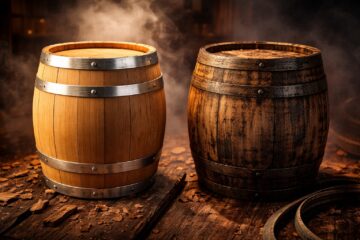

In a world where the pursuit of healthier living is becoming increasingly prevalent, the choice between homemade and commercial products plays a pivotal role. When it comes to alcoholic beverages, the age-old debate of homemade vs. commercial alcohol has gained significant traction. Can crafting your libations at home truly be healthier than purchasing them from the store? Let’s delve into the world of spirits and brews, exploring the benefits of homemade alcohol and why investing in a wood barrel for your creations is the key to unlocking a world of flavor and well-being.
The Health Quotient
When we ponder the health aspects of alcoholic beverages, we often find ourselves questioning the ingredients, additives, and the overall production process. Homemade alcohol presents a compelling case for those looking to elevate their drinking experience without compromising on health. Commercially produced drinks may contain preservatives, artificial flavors, and excessive sugar content that can impact your well-being.
Case Study 1: Wine Wonderland
Consider the journey of wine enthusiasts who have embraced the art of homemade wine. A study conducted by the American Journal of Enology and Viticulture found that homemade wine tends to have higher levels of beneficial compounds such as resveratrol, known for its antioxidant properties. Resveratrol has been linked to heart health, potentially reducing the risk of cardiovascular diseases.
By investing in a wood barrel for your homemade wine, you not only enhance its flavor through the unique aging process but also contribute to the overall health benefits by avoiding additives commonly found in commercially produced wines.
Case Study 2: Whiskey Wisdom
Whiskey aficionados often find solace in the rich, complex flavors of a well-aged spirit. The Journal of Food Science reported that the aging process of whiskey in wooden barrels imparts unique characteristics to the drink, making it smoother and more palatable. Homemade whiskey, aged in a wood barrel of your choice, allows you to control the aging process, ensuring a high-quality beverage with fewer additives.
The Craft of Beer
Crafting beer at home has become a beloved pastime for many, and for good reason. A study published in the Journal of the Institute of Brewing revealed that homemade beer often contains fewer artificial additives and a more diverse range of natural ingredients. Brewing beer at home not only lets you experiment with unique flavors but also provides a healthier alternative to some mass-produced options.
Rum Revelations
Homemade rum enthusiasts have found that the traditional practice of aging rum in wooden barrels imparts distinct flavors and aromas. A study in the Journal of Agricultural and Food Chemistry showed that the aging process in wood enhances the overall quality of rum by mellowing harsh flavors and incorporating desirable characteristics. By investing in a wood barrel for your homemade rum, you gain control over the aging process, resulting in a smoother, more refined spirit.
Pickle Perfection
Beyond traditional spirits, the world of homemade alcohol extends to surprising territories, including pickles. Fermenting vegetables in brine to create alcoholic pickles has gained popularity among health-conscious individuals. Homemade pickles offer the advantage of controlling the ingredients, avoiding excessive preservatives, and tailoring the flavors to your liking.
The Wood Barrel Advantage
Now that the benefits of homemade alcohol are evident, the next step is to consider the vessel in which these creations will mature. Investing in a wood barrel for your homemade libations is a game-changer for several reasons:
Flavor Infusion: Wooden barrels impart unique flavors to your alcohol, enhancing its taste and aroma. The choice of wood, such as oak, can introduce subtle notes that transform your beverage into a masterpiece.
Controlled Aging: A wood barrel allows you to control the aging process, influencing the texture and complexity of your alcohol. This level of customization is simply not achievable with mass-produced options.
Preservation of Purity: Unlike some commercial alcohol production methods that involve the use of additives and preservatives, a wood barrel facilitates a more natural aging process, preserving the purity of your homemade creations.
Sustainability: Opting for a wood barrel aligns with sustainable practices, as many barrels are reusable and contribute to the reduction of waste. This eco-friendly choice enhances the overall appeal of your homemade alcohol.
Is Homemade Alcohol Healthier Than Commercial?
As we navigate the landscape of alcoholic beverages, the choice between homemade and commercial options becomes more than a matter of taste – it’s a lifestyle decision. The case studies presented highlight the health benefits associated with crafting your libations at home. By investing in a wood barrel for your homemade creations, you not only elevate the flavor profile but also gain control over the entire brewing or aging process.
Whether you’re a wine connoisseur, a whiskey aficionado, a beer enthusiast, or someone exploring the world of homemade pickles and rum, a wood barrel is the key to unlocking the full potential of your creations. Embrace the art of homemade alcohol, savor the health benefits, and enjoy the journey of crafting libations that are as unique as you are. Cheers to a healthier, tastier, and more fulfilling drinking experience!
Recommended Handcrafted Canadian White Oak Barrels
Every cask at BarrelsWood is coopered in Canada from slow-growth, air-seasoned Canadian white oak (Quercus alba) using traditional fire-bending and tongue-and-groove joinery with zero chemical glues or artificial inner coatings. Whether you are maturing whiskey, bourbon, rum, or moonshine, explore our 3L Countertop Oak Barrel, 5L Special Edition Charred Cask, 10L Cellar Barrel, and 20L Distillery Pilot Barrel, or read our full Oak Barrel Care & Curing FAQ.
Frequently Asked Questions
How do you prepare and cure a new oak barrel so it never leaks?
Insert the wooden spigot and fill the barrel completely with cold tap water for 48 to 96 hours before adding any spirit or wine. The dry Canadian white oak staves absorb water and expand against the steel hoops to form a permanent hydraulic seal.
How fast do small oak barrels age whiskey, bourbon, and moonshine?
Because a 2L to 5L oak barrel offers up to 8x more charred wood surface contact per liter than a commercial 200L barrel, spirits extract deep amber color, vanillins, and toasted caramel notes in 4 to 10 weeks.
How should an oak barrel be stored when empty?
Store barrels in a cool, shaded cellar (55%–70% relative humidity) away from radiators or direct sunlight. Keep spirit barrels filled with a small splash of high-proof neutral spirit or water changed weekly so the staves never dry out.
Related Spirit Aging & Cooperage Guides: Explore our mastercooper articles on Preventing Leaks & Curing New Oak Barrels, How to Get Smooth Flavor from a New Charred Oak Barrel, Complete Oak Barrel Toasting & Char Guide, and New vs. Used Oak Barrels for Aging Whiskey. Browse our handcrafted 3L Canadian Oak Aging Barrel ($150), 5L Special Edition Charred Cask ($175), 10L Canadian Oak Barrel ($210), and 20L Small-Batch Spirit Barrel ($215) in our Whiskey & Bourbon Oak Barrels Catalog.
Recommended Canadian White Oak Barrels & Maturation Specifications
All BarrelsWood casks ship insured from our Ontario cooperage across the United States and Canada with a 30-day structural seal warranty:
| Barrel Model & Capacity | Primary Application | Typical Aging / Fermentation Time | Price (USD) |
|---|---|---|---|
| 3L (0.79 gal) Canadian Oak Barrel | Bourbon, Whiskey, Moonshine, Cocktails | 4 to 8 Weeks | $150.00 |
| 5L (1.32 gal) Special Edition Cask | Whiskey, Rum, Brandy, Fruit Wine | 6 to 12 Weeks | $175.00 |
| 10L (2.64 gal) Canadian Oak Barrel | Home Winemaking, Bourbon & Cellar Aging | 3 to 6 Months | $210.00 |
| 20L (5.28 gal) Canadian Oak Barrel | 5-Gallon Carboy Wine Batches & Craft Spirits | 5 to 9 Months | $215.00 |
| 5L Open-Top Oak Pickle Barrel | Lacto-Fermented Kosher Dill Pickles & Sauerkraut | 5 to 14 Days (Brine) | $145.00 |
| 5L Uncharred Oak Vinegar Barrel | Artisanal Red/White Wine & Cider Vinegar | 6 to 10 Weeks | $170.00 |